The right bank

United Nation Building (UNO)

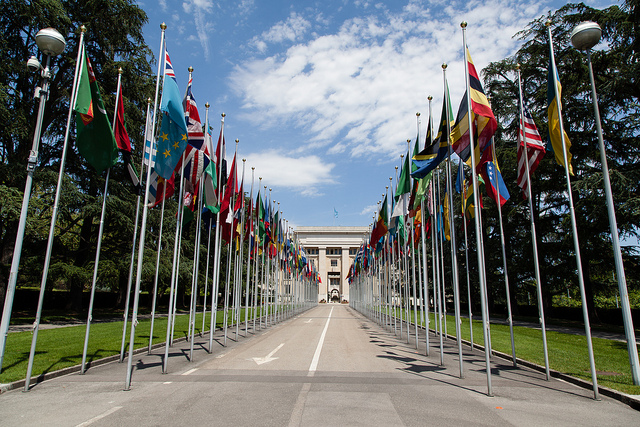
Constructed between 1929 and 1936 to house the League of Nations, the Palais des Nations became the headquarters of the United Nations in 1946 when the former organisation was dissolved. The vast wooded park overlooking the lake, where it is located, was donated by the City of Geneva. Today, and after the completion of a new wing in 1973, it is the second most important centre of the United Nations after New York.

Its surface is that of the Palais de Versailles and its Assembly Room, seating 2,000, is as large as the Paris Opera House. Over 25,000 delegates meet here annually to negotiate for world peace. Many works of art and gifts are displayed. Guided tours of the Palais des Nations are organized.

Location: Avenue de la Paix, 3.5km away from the hotel

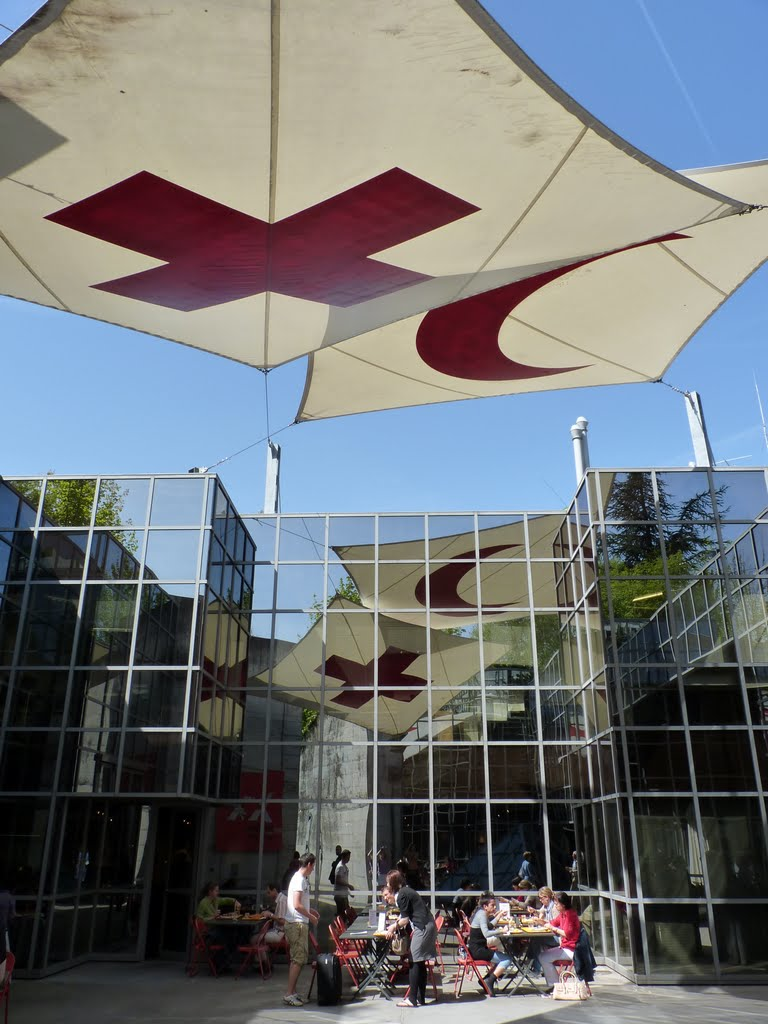
International Red Cross and Red Crescent Museum

Geneva, the birthplace of the International Red Cross, hosts the only museum devoted to the work of Henry Dunant.

Located just opposite the Palais des Nations, this museum was opened in 1988 to pay tribute to the extraordinary deeds of the men and women of the Red Cross who have served humanity for over 140 years. Eleven areas illustrate and explain the principles, history and work of the Red Cross and Red Crescent during the gravest events of our time.

Very up-to-date museographics are used to display installations, sculptures, numerous objects, original photographs and films. Audio-visual recordings, computer terminals and slide shows weave a striking fabric of written texts, unforgettable pictures and other documents.

Location: Avenue de la Paix, 3.5km away from the hotel
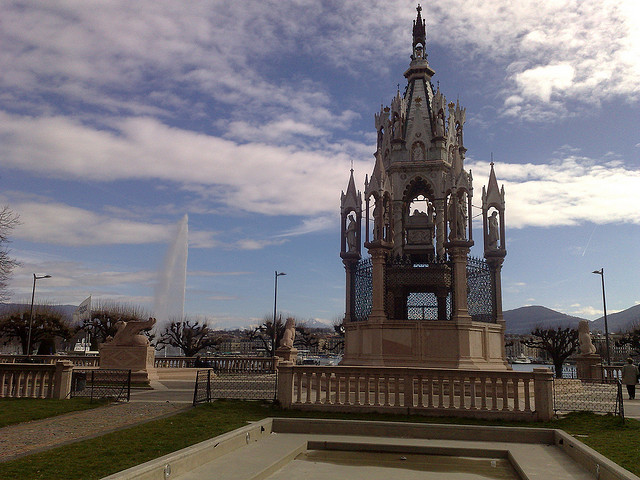
Brunswick monument

Listed as a historic building, the Brunswick Monument is surprising in its architecture and history. This neo-Gothic-style mausoleum is a historical replica of the Scaligeri family tomb in Verona dating from the fourteenth century and built at the request of the Duke of Brunswick.

Linguist, musician and knight, the Duke of Brunswick, Charles d’Este-Guelph, was a unique individual indeed. Born in 1804, he was expelled from his duchy in 1830, located in what is now Germany. He fled into exile to various European cities including Paris, where he made a fortune and then moved to Geneva. In 1873, he died and bequeathed his immense fortune to Geneva in exchange for a beautiful funeral and a monument to his name. Never before had a mausoleum been built in Geneva and its construction was the subject of much debate. In the end, this monument was built in the Jardin des Alpes, in the former natural harbor of Pâquis.

Location: Mont-Blanc, 1201 Geneva

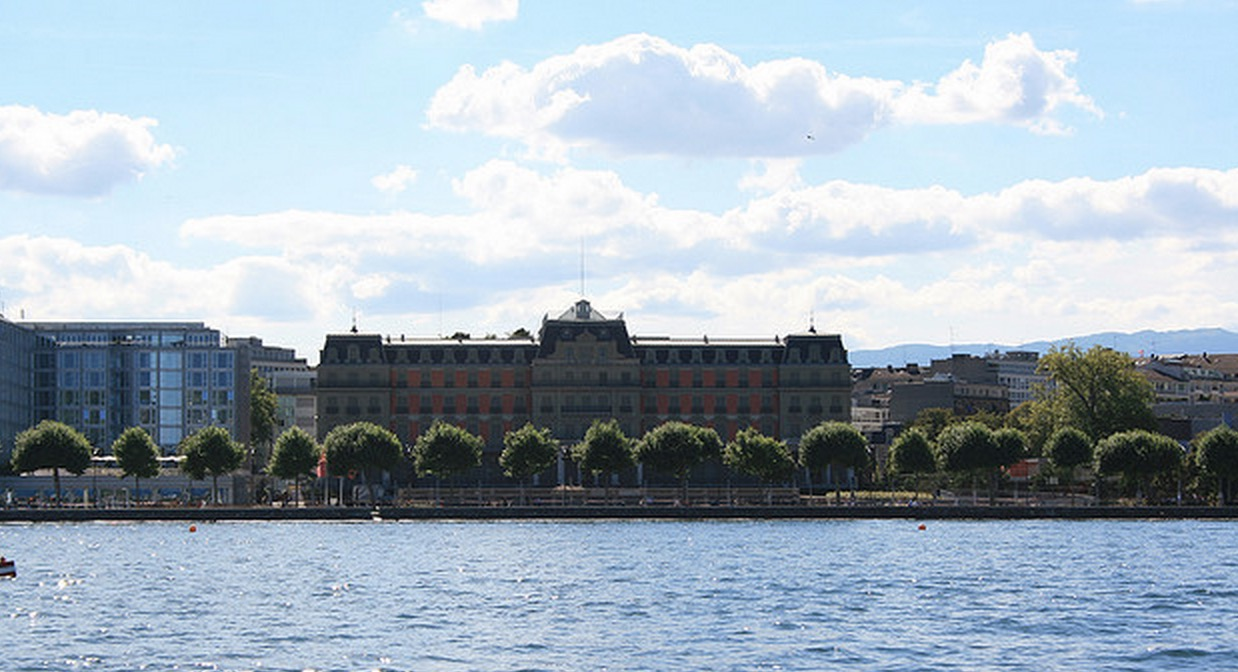
Palais Wilson

The Palais Wilson is as stately as its view of the lake and the Mont Blanc is splendid. This former hotel with 225 rooms was built at the end of the 19th century. After the first World War, it became the seat of the League of Nations, predecessor to the United Nations. In 1997, this remarkable monument of international diplomacy was dedicated to the cause of Human Rights. The place has witnessed Geneva’s importance and influence on the international stage. 

Coming from the city and passing the Palais Wilson, the visitor arrives at the splendid parks on the right of the lakeside, amongst them, the Perle du Lac.

Address: Quai Wilson 47, 1201 Geneva

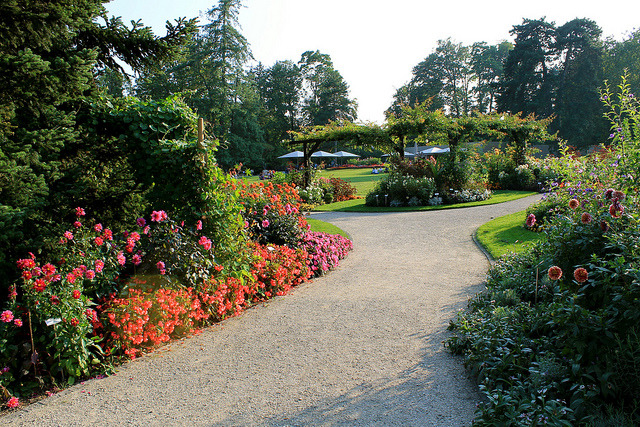
Botanical Garden

The Botanical Garden, renowned for its Botanical Conservatory, also houses magnificent collections of living plants. It is the ideal setting for relaxing or walking as well as for the discovery of our sometimes threatened plant heritage.

Address: Mon-Repos, 1202 Geneva

Basilica Notre-Dame

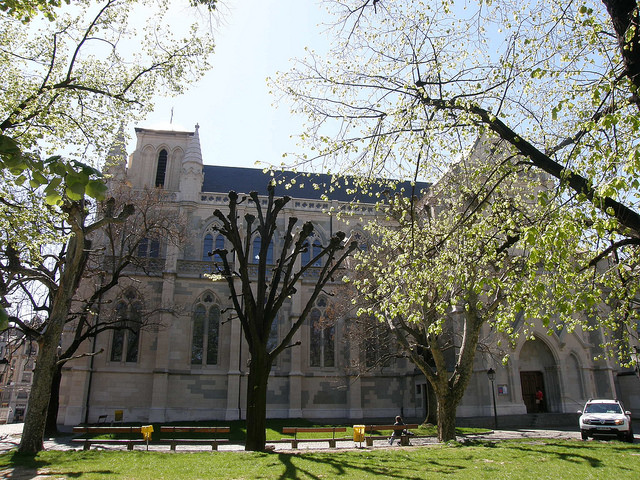
The Basilica, built between 1852 and 1857 on the site of an old fortification, is the main place of worship for Geneva's Catholic community. Situated by the railway station, pilgrims stop there on their way to Santiago de Compostela. In June 1875, after the arrival in power of an anticlerical government, the Basilica was occupied, then closed. In 1911, the Catholic Church was able to buy it back. Built of the same sandstone used for many buildings in Geneva, its architecture was inspired by the 12th century Gothic style.

Address: Place de Cornavin, 1201 Geneva